Deck Coating and Sealing in a Damp Coastal Climate
The soft, spongy feel underfoot on an old deck board is the first symptom, and it usually means the coating failed a season ago. The finish work on a wood deck in Torrance, CA follows the logic in the notes at painting torrance ca dine out somalia: moisture decides everything. Fog, dew and winter rain across Los Angeles County keep boards damp for hours, and a coating applied over damp wood does not last.
Stripping the old film
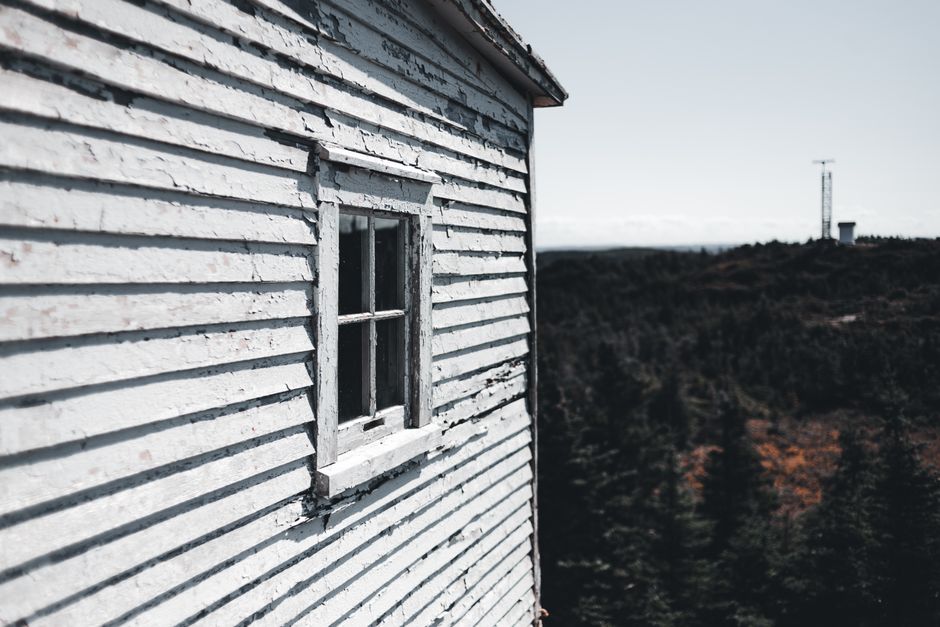
Peeling stain or paint has to come off completely, because a new coat will only be as sound as what is under it. A chemical stripper and a stiff brush work on flat boards, and a sanding pass cleans up what is left. The rails, balusters and steps get done by hand. After stripping, a wood brightener evens the color and opens the grain so the coating can soak in.
Reading the moisture in the boards
A pin meter gives a number, and a crew waits until the boards read dry before any coating. After a rainy week on the coast this can take several days, and the underside of a deck takes longest. A board can feel dry on top and still hold water in its core. Coating early traps that water and lifts the finish into blisters.
Penetrating oil versus a solid coating
A penetrating oil or semi-transparent stain soaks into the grain and weathers away slowly, so a deck can be recoated without stripping. A solid coating, a thick acrylic latex or an elastomeric deck paint, covers worn boards and fills small cracks, but it forms a film and can peel where water gets underneath. On an older deck with checking, a solid coating hides more. On a deck in good shape, penetrating oil wins on upkeep.
End grain, screw heads and rails
Water enters through the end grain of every board and around every fastener. Each cut end gets a second coat worked in with a brush, and screw heads get a spot of rust primer before the topcoat so they do not bleed brown streaks. Handrails, which take hands, sun and rain, get the same coat as the floor, and then a second coat once the first has dried. Caulk at the ledger board and where posts meet the house keeps water out of the framing.
Timing around the weather
The window is narrow. Winter rain and heavy June gloom both stall a job. A crew picks a dry spell, starts after the morning damp has burned off, and stops early enough for the coating to set before dew falls. The best months fall in late summer and fall, when the boards are driest and the afternoons are warm.